HOA Deck & Balcony Replacement: What Boards Need to Know
For Northern Virginia condo and HOA boards facing aging decks and balconies: how to scope, budget and de-risk a multi-unit replacement.
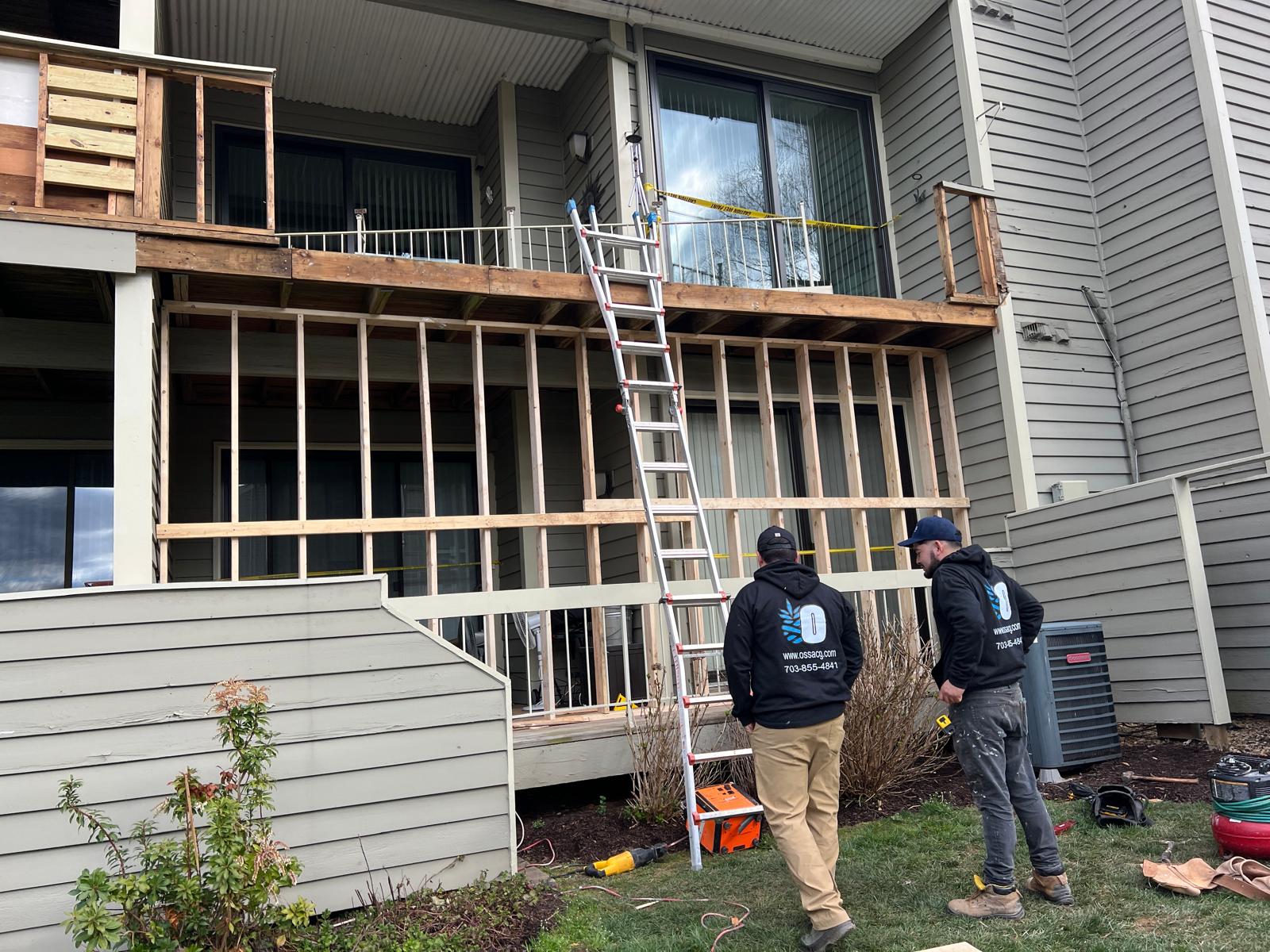
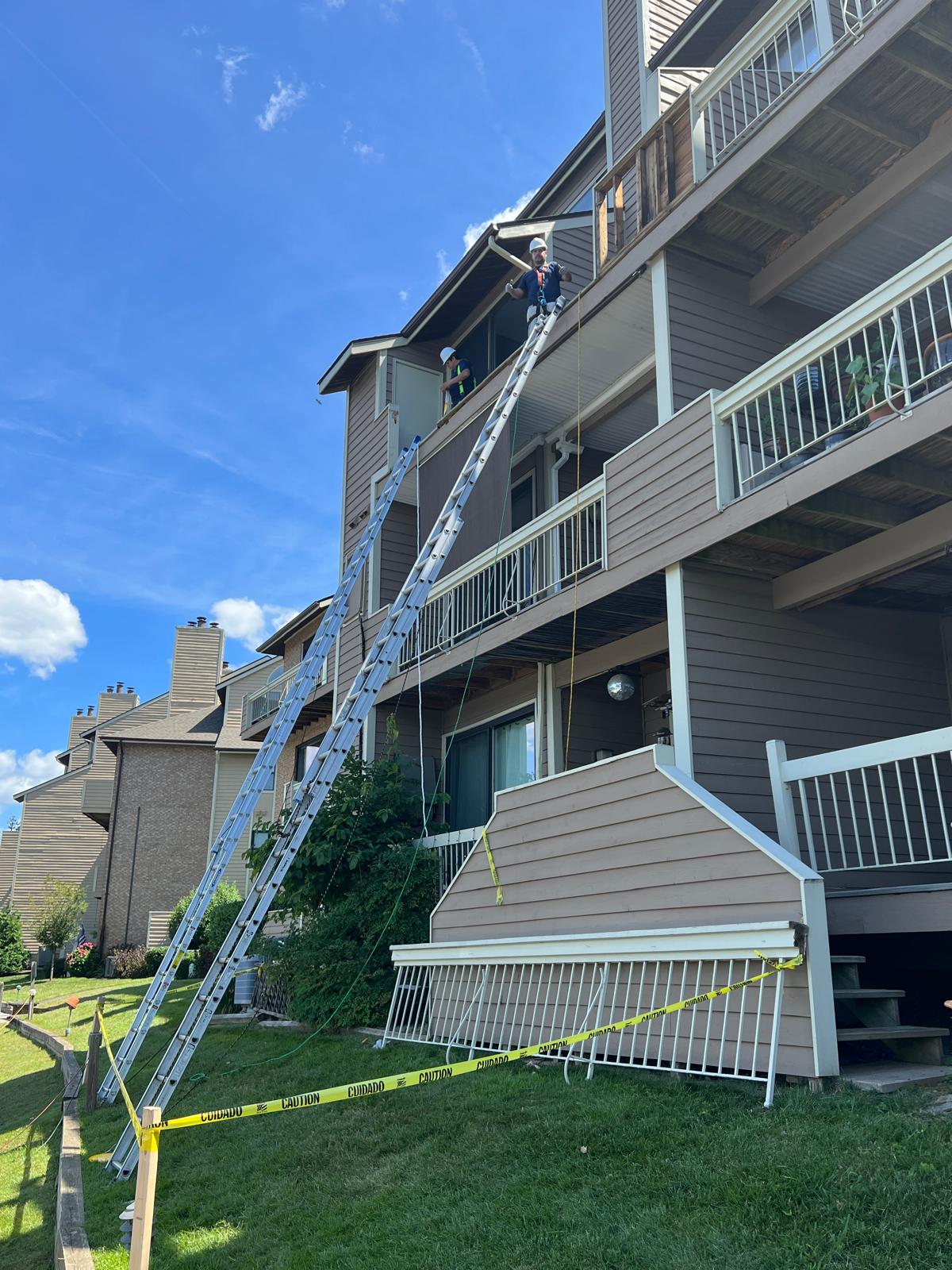
Aging decks and balconies are the highest-liability items in most Northern Virginia communities, and replacing them at multi-unit scale is a structural project, not a cosmetic one. Boards should start from the reserve study, require fixed-price, line-item bids from a Class A licensed contractor with a COI naming the association, and plan around county permits, engineering and inspections. The goal is to take the structural liability off the board.
Why this is a board-level priority
Structural failures on decks and balconies are exactly where boards get exposed. In older Northern Virginia communities, ledger boards, joists and framing that have taken twenty years of weather are the items a reserve study flags first, and the ones that create the most liability if they fail. Addressing them proactively, on the board's schedule, is far cheaper and safer than reacting to a failure.
Start from the reserve study
Your reserve study or engineer's report is the scoping document. A good commercial contractor works from it (or your RFP) to build a bid that matches your capital plan. If you do not have formal documents yet, a contractor can walk the property and help define the scope. Either way, the scope should be specific enough that every bid is comparing the same work.
What to require in a bid
- Class A license and full insurance, with a Certificate of Insurance naming the association as additional insured before work begins.
- Fixed-price, line-item pricing written to drop straight into a board packet. The bid is the price, with no surprise change orders unless the board approves added scope in writing.
- Engineering and inspection coordination, so the work is documented and code-compliant.
- A written workmanship warranty you can keep on file for future boards.
- A resident communication and phasing plan, since the work happens where people live.
Managing disruption
Multi-unit work means managing the disruption, not just the build: posted notices, unit-by-unit scheduling, protected walkways and entrances, and a single point of contact so the board and residents always know what is happening and when. That coordination is a big part of what separates a smooth community-wide project from a contentious one.
Timeline and permits
Multi-unit structural work is permitted and inspected like any other construction, and the county controls the review timeline. A contractor experienced with HOA work sequences the project to keep the community safe and on schedule while permits and inspections proceed. If your board is ready to scope a project, our structural carpentry and deck replacement division handles exactly this.
Get the real number for your project
We'll design it in 3D and put a fixed price in writing within 48 hours. Free, no obligation.
Request a Bid