3-Season vs. 4-Season Sunroom: What's the Difference?
Cost, comfort and resale value compared, so you build a sunroom you actually use in a Virginia January.
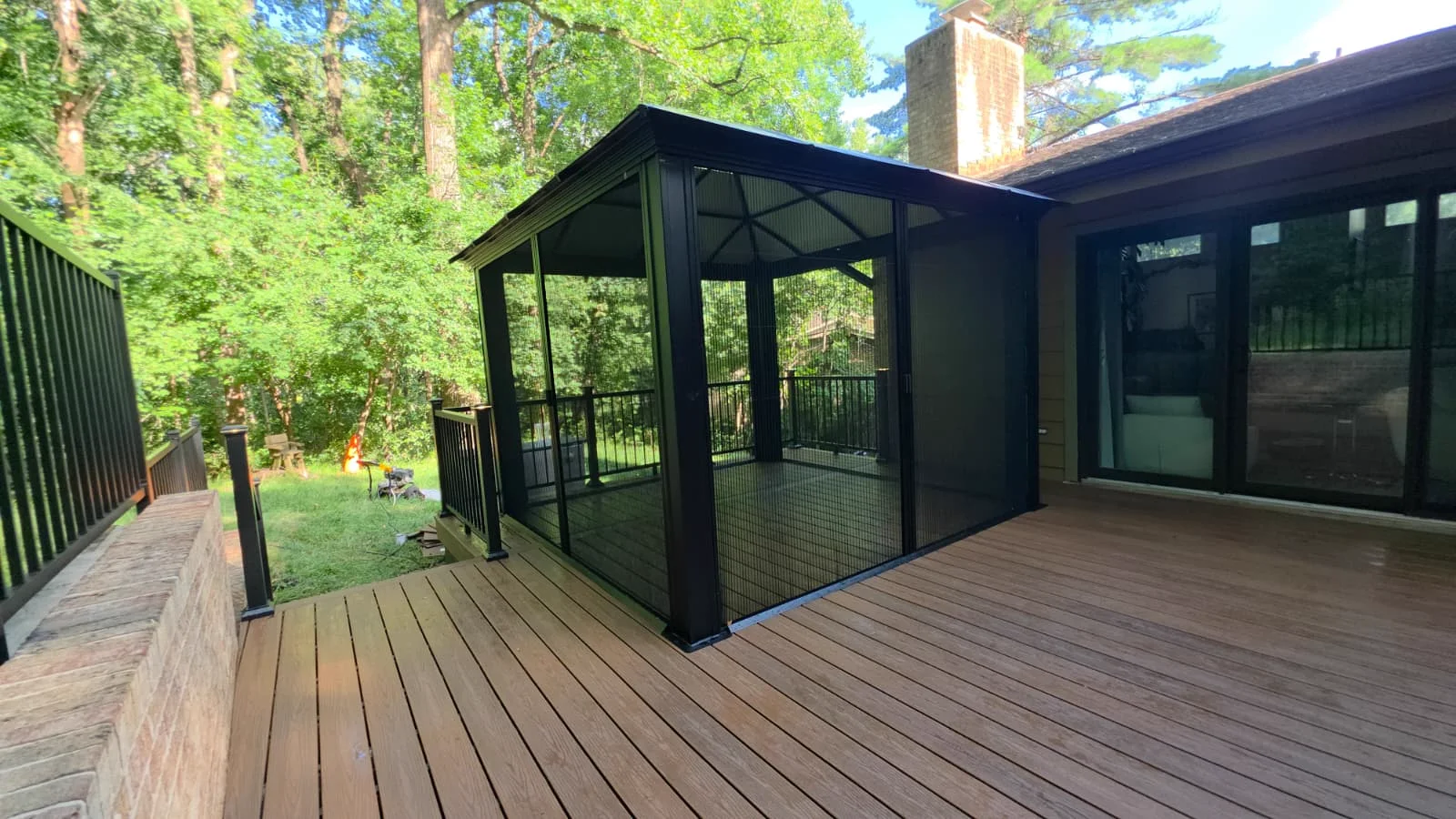
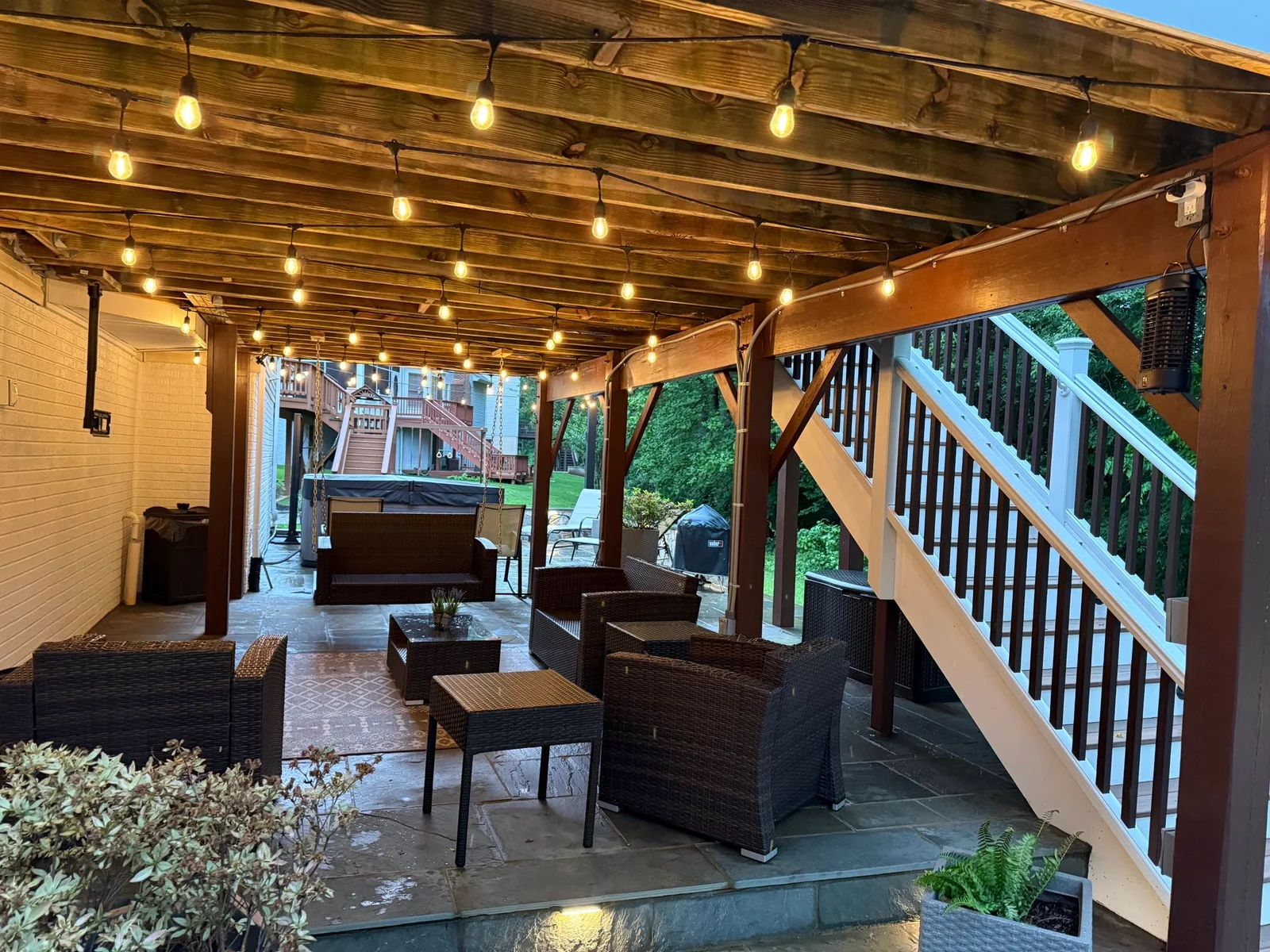
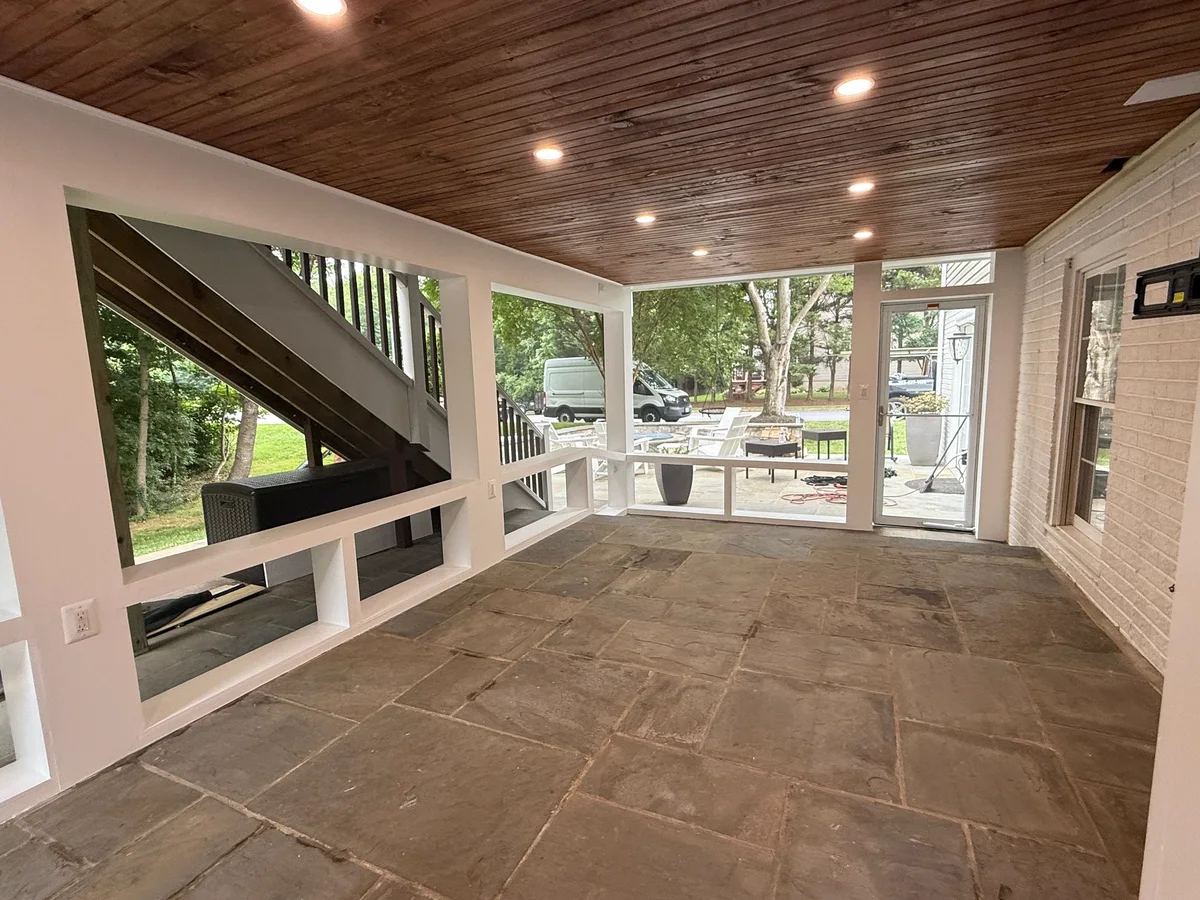
A three-season sunroom is not insulated or heated, so it is comfortable roughly April to October and usually built on an existing deck. A four-season sunroom has a foundation, insulation, insulated low-E glass and heating and cooling, so it works year-round, including a Virginia January. The four-season room costs more but typically counts as finished living space; the three-season room usually does not.
The difference in plain terms
The names describe how many seasons you can comfortably use the room. A three-season room keeps the rain and bugs out and lets the light in, but it is not conditioned, so July gets hot and January gets cold. A four-season room is built like a real addition: a proper foundation, an insulated and air-sealed envelope, insulated glass rated for Virginia summers and winters, and its own heating and cooling.
Cost and value
| 3-Season | 4-Season | |
|---|---|---|
| Typical NoVA cost / sq ft | $100–$150 | $150–$250 |
| Foundation | Often on existing deck | Poured foundation |
| Heating & cooling | No | Yes |
| Counts as living space | Usually no | Usually yes |
| Adds resale value | Limited | Strong |
Which one should you build?
Build the four-season room if you want a space you live in year-round and you care about resale value. It is a real addition and it appraises like one. Build the three-season room if you mainly want a bright, protected space for the warm months and a lower budget matters more than January use.
One warning: a prefabricated three-season kit set on an existing deck is not the same as a built addition. It rarely matches the house and adds little value. We build sunrooms as proper additions, not kits, which is the difference between a room you love and one you close off half the year.
Keeping a Virginia sunroom comfortable
The most common failure in sunrooms is overheating. Low-E glass, the right glazing for the direction the room faces, and adequate roof insulation do most of the work, and we size the HVAC for the actual glass load rather than by square footage. Get that right and a four-season room is comfortable in both a July afternoon and a February morning.
Get the real number for your project
We'll design it in 3D and put a fixed price in writing within 48 hours. Free, no obligation.
Get My Free Estimate